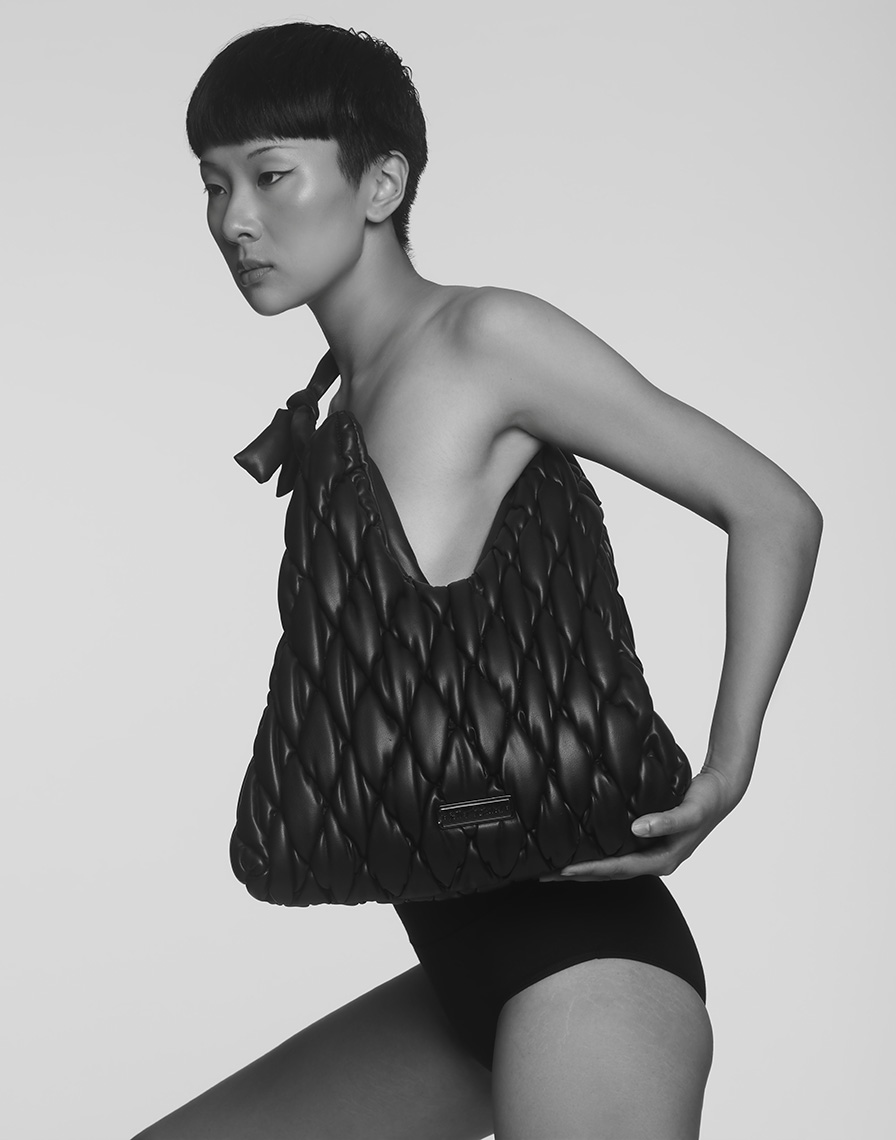
Black quilted handbag photographed on a model for a fashion accessories campaign in New York City
Uncategorized

How to Photograph Handbags for Fashion Brands | NYC Handbag Photographer

How to Photograph Handbags for Fashion Brands: From Product Photography to Editorial Images

For a fashion brand, a handbag needs to be photographed in more ways than simply placing it against a white background. A strong handbag photography campaign should show the product accurately while also communicating the personality, style, and lifestyle of the brand.

Handbag photography can include clean e-commerce product images, photographs of the bag on a model, close-up detail shots, editorial images, campaign photography, and social media content. Each serves a different purpose, but together they create a complete visual identity for the collection.

As a New York City fashion and beauty photographer, I approach handbag photography as a combination of product photography and fashion photography. The goal isn’t simply to document the bag. It’s to create images that make people want to see it, wear it, and ultimately buy it.

Why Great Handbag Photography Matters

A handbag is a highly visual product.

Customers may notice the silhouette, leather, color, hardware, stitching, quilting, handles, or unusual construction before they know anything else about the product. Photography therefore plays an important role in how they perceive its quality and value.

For an emerging fashion brand, the photography may be one of the first things a potential customer encounters.

A beautifully designed handbag can look inexpensive if it is poorly photographed. Conversely, carefully considered lighting, styling, composition, and retouching can communicate craftsmanship and luxury.

This is why handbag photography for fashion brands requires more than technical product photography.

The images need to accurately represent the product, but they also need to express the brand.

Product Photography vs. Editorial Handbag Photography

One of the first decisions a brand should make is understanding the difference between product photography and editorial photography.

Product Photography

Product photography is primarily about information.

The customer needs to see the handbag clearly. The photograph should show its shape, proportions, color, construction, and important details.

Typical product images might include:

  • Front view
  • Back view
  • Side view
  • Interior
  • Bottom
  • Hardware
  • Handles
  • Strap
  • Closure
  • Detail shots

These images are especially important for an e-commerce website or product detail page.

The background is often simple and the lighting relatively controlled. The objective is consistency across the entire collection.

Editorial Photography

Editorial photography has a different purpose.

It is about creating an emotional response.

The handbag might be photographed on a model, in an interesting environment, or within a carefully styled fashion story. The lighting and composition can be more expressive.

Editorial images don’t necessarily need to show every product detail.

Instead, they communicate the world of the brand.

A customer should be able to look at the photograph and understand something about the person who might carry the bag.

The most effective handbag campaigns often combine both approaches.

Start With the Design of the Handbag

Before deciding how to photograph a handbag, I want to understand what makes that particular product interesting.

Every handbag has characteristics that should influence the photography.

Is the silhouette architectural?

Is the leather soft and supple?

Does it have distinctive quilting?

Is the hardware an important design feature?

Does the bag have an unusual handle?

Is the strap intended to be worn across the body?

Is it oversized?

Is it a small evening bag?

Is the interior particularly important?

These questions help determine how the product should be photographed.

A highly structured bag might benefit from directional lighting that emphasizes its geometry. A soft leather bag may look better with softer illumination that reveals its folds and texture.

The photography should respond to the design rather than forcing every product into the same visual formula.

Lighting Handbags to Show Shape and Material

Lighting is one of the most important aspects of handbag photography.

A handbag is a three-dimensional object, and the lighting needs to communicate that dimension.

Flat lighting can eliminate shadows and make a product easy to see, but it can also make a beautiful material appear flat.

Controlled directional lighting can create highlights and shadows that reveal the shape of the handbag.

Leather is particularly interesting because it responds strongly to light.

A glossy leather surface can produce attractive highlights, but uncontrolled reflections can also become distracting. Matte leather, suede, nylon, woven materials, and textured fabrics all react differently.

The photographer needs to understand the surface and adjust the lighting accordingly.

The objective isn’t simply to make the handbag bright.

The objective is to make the material look like the material it actually is.

Good handbag photography should allow the viewer to almost feel the leather through the photograph.

Photographing Handbags on a Model

Once the basic product photographs have been created, photographing the handbag on a model introduces an entirely different dimension.

The model provides scale.

A viewer can immediately understand how large the handbag is and how it sits against the body.

The model also provides movement and personality.

A shoulder bag can be photographed naturally while walking. A large tote can be carried against the body. A smaller bag can become part of an evening look.

The model’s pose should support the product.

Hands, arms, shoulders, and body position can all be used compositionally to direct attention toward the handbag.

The photograph accompanying this article is an example of this approach. The model’s arm creates a strong diagonal line through the composition while her hand supports the bottom of the bag. The pose communicates the size and shape of the handbag while remaining visually fashion-oriented.

The photograph isn’t simply showing someone holding a bag.

It is creating an image around the bag.

Styling the Handbag

Styling is an important part of fashion accessory photography.

The clothing should complement the handbag without competing with it.

This doesn’t necessarily mean that the clothes need to be simple.

Contrast can be extremely effective.

A structured handbag might look great with soft, flowing clothing. A highly textured bag might be photographed against a clean, minimal outfit. A colorful handbag could become the central color element within an otherwise restrained styling concept.

The styling should reflect the brand’s customer.

Luxury handbag photography may require a sophisticated, minimal approach. A contemporary streetwear brand may benefit from something more energetic. A designer collection might call for a highly conceptual editorial treatment.

There is no universal formula.

The important thing is that the handbag, model, clothing, and environment feel as though they belong to the same visual world.

Showing the Details

A campaign shouldn’t rely entirely on wide or full-body photographs.

Close-up images are extremely valuable.

A tight photograph can reveal:

  • Leather grain
  • Stitching
  • Quilting
  • Zippers
  • Clasps
  • Buckles
  • Logos
  • Embossing
  • Handles
  • Hardware
  • Interior construction

These details help communicate craftsmanship.

They are particularly important for premium and luxury accessories, where construction and materials are part of the value proposition.

A close-up can also become a useful piece of social media content.

One handbag shoot can therefore generate a variety of images rather than a single hero photograph.

Creating a Consistent Collection

When photographing an entire handbag collection, consistency becomes extremely important.

The photographs should feel as though they belong together.

That means maintaining consistency in:

  • Lighting
  • Background
  • Camera angle
  • Cropping
  • Color
  • Styling
  • Model direction
  • Retouching

If one handbag is photographed with soft light and another with extremely dramatic light, the collection may feel disconnected.

This doesn’t mean every photograph needs to be identical.

There should be enough consistency that the brand’s visual identity remains recognizable while allowing individual products to have their own personality.

This is particularly important for e-commerce.

Customers should be able to move from one product page to another and feel that they are looking at the same brand.

The Importance of Color

Color can completely change how a handbag is perceived.

Black handbags require careful lighting because dark surfaces can easily lose detail. White and pale handbags require attention to highlight control. Bright colors need accurate color reproduction.

Color management is therefore an important part of professional handbag photography.

But color isn’t only a technical consideration.

It is also a branding decision.

A brand might want neutral, understated imagery, or it might want saturated colors and strong contrast.

The photographer needs to understand both the product’s actual color and the brand’s desired visual language.

Black-and-White Handbag Photography

Not every handbag photograph needs to be in color.

Black and white can be especially effective for editorial campaigns where shape, texture, lighting, and composition are more important than color.

In the accompanying photograph, the monochrome treatment emphasizes the sculptural quality of the quilted handbag. The absence of color directs attention toward the relationship between the model, the bag, the highlights, and the shadows.

Black and white can also make an accessory photograph feel more timeless and editorial.

It isn’t necessarily the best choice for an e-commerce product page, where accurate color representation is important. But as part of a fashion campaign, it can provide another visual dimension.

Photographing the Bag in Context

A handbag doesn’t exist in isolation.

It belongs to a particular lifestyle.

This is why location photography can be so powerful for accessories.

A handbag might be photographed:

  • On the street
  • In a hotel
  • In a restaurant
  • In an apartment
  • In an architectural environment
  • In a studio
  • At an event
  • In a city environment

The location can tell the viewer something about the brand.

A minimalist studio can make the handbag feel sophisticated and sculptural. A city environment can communicate energy and contemporary fashion. An elegant interior can suggest luxury.

The important thing is that the environment supports the product rather than distracting from it.

Creating Images for Social Media

Today’s handbag photography also needs to work across multiple platforms.

A campaign photograph might appear on a website, Instagram, Pinterest, digital advertising, email marketing, or a retailer’s website.

That means it’s useful to photograph with different crops and orientations in mind.

Vertical images can work particularly well for social platforms and mobile viewing.

Horizontal photographs may be useful for website banners.

Tighter crops can become social media posts or advertisements.

Detail photographs can provide additional content between major campaign images.

Thinking about these applications before the shoot can significantly increase the value of the photography.

E-Commerce and Campaign Photography Should Work Together

One of the most efficient approaches for a fashion brand is to plan e-commerce and campaign photography as part of the same production.

The clean product photographs provide the information customers need.

The campaign photographs provide the emotional connection.

The editorial images create brand identity.

The detail photographs communicate craftsmanship.

Together, they create a complete visual system.

Rather than treating each photograph as a separate assignment, the photographer can plan a shoot that produces a wide range of usable content.

This can be particularly valuable for emerging brands working with limited production budgets.

Retouching Handbag Photography

Retouching should enhance the photograph without making the product misleading.

For handbags, that can mean removing dust, small imperfections, distracting reflections, or temporary marks created during production.

The goal should be to maintain the real character of the product.

Over-retouching can make leather look artificial.

Texture can disappear.

Natural highlights can become unnatural.

For fashion photography, I generally prefer retouching that feels polished but believable.

The viewer should see the craftsmanship of the product rather than the retouching.

Planning a Handbag Photography Shoot

A successful handbag photography shoot begins well before the camera is set up.

The photographer and brand should discuss:

What is the objective?

Is the shoot primarily for e-commerce, a new campaign, advertising, social media, or all of these?

What products need to be photographed?

How many handbags are involved?

What images are required?

Are front, back, detail, model, editorial, and lifestyle images needed?

Where will the photographs be used?

Website, advertising, social media, print, lookbook, or retail?

What is the visual direction?

Minimal, luxurious, contemporary, experimental, classic, or editorial?

Answering these questions early helps prevent a shoot from becoming a collection of disconnected photographs.

What Makes a Successful Handbag Photograph?

Ultimately, successful handbag photography has to accomplish several things at once.

It needs to show the product accurately.

It needs to make the material look appealing.

It needs to establish scale.

It needs to communicate the brand.

It needs to attract attention.

And, most importantly, it needs to make the viewer want the product.

That last part is easy to overlook.

Photography isn’t merely documentation. For a fashion brand, it is part of the sales process and part of the brand identity.

A customer may never touch the handbag before purchasing it. The photograph has to communicate some of that experience.

What does the leather look like?

How large is the bag?

How does it sit on the body?

What does it feel like to carry?

What kind of person carries it?

What does owning it say about the customer?

The strongest photography begins answering those questions without ever having to state them.

Final Thoughts

Great handbag photography requires an understanding of both the product and fashion.

A handbag needs to be photographed accurately, but it also needs to exist within a visual world.

That’s why I believe the best approach combines product photography, model photography, editorial photography, and lifestyle imagery.

The clean product photograph tells the customer what the handbag looks like.

The model photograph shows how it is worn.

The detail photograph communicates craftsmanship.

The editorial photograph communicates desire.

And the campaign as a whole communicates the identity of the brand.

For fashion and accessories companies, the goal shouldn’t simply be to produce photographs of handbags.

The goal should be to create a visual language that makes the handbags recognizable, desirable, and memorable.

That is what professional handbag photography can do for a fashion brand.

Standard
Uncategorized

Branding, Social Media, and AI: Why Authentic Photography Matters More Than Ever for Fashion and Beauty Brands

Original Photography, SEO, and Building Long-Term Brand Value

Original Photography Creates Brand Equity

In a crowded digital marketplace, attention is valuable. Every fashion and beauty brand is competing against thousands of others for the same customer’s time, interest, and trust.

The brands that succeed are not necessarily the ones with the largest advertising budgets. They are often the ones that create the strongest emotional connection.

Original photography is one of the most effective ways to build that connection.

When a customer sees a unique campaign image created specifically for a brand, they immediately understand that there is intention behind the product. The image communicates investment, craftsmanship, and authenticity.

This is especially important in fashion and beauty, where perception directly influences purchasing decisions.

A garment is not simply fabric and construction.

A skincare product is not simply a bottle and ingredients.

A beauty brand is selling confidence.

A fashion brand is selling identity.

Photography gives customers a visual reason to believe in that promise.

The Difference Between Commercial Fashion Photography and Simple Product Images

Many companies underestimate the difference between documenting a product and creating brand imagery.

A basic product image answers one question:

“What does this item look like?”

A strong commercial fashion photography campaign answers much larger questions:

  • Who is this product designed for?
  • What lifestyle does this brand represent?
  • How should customers feel when they experience it?
  • Why is this product different from competitors?

Commercial photography connects the product to an emotional narrative.

This is why successful fashion campaigns often feature carefully selected locations, styling, models, lighting, and art direction.

The goal is not simply accuracy.

The goal is desire.

Why E-Commerce Photography Must Still Feel Like Branding

E-commerce has changed the way customers shop.

Many consumers discover and purchase fashion and beauty products without ever visiting a physical store. This makes photography even more important.

Professional e-commerce photography provides the clarity customers need to make purchasing decisions, but the strongest brands understand that e-commerce imagery should still reflect their identity.

A website should not feel disconnected from a campaign.

A product page should not feel like a completely different brand from Instagram.

The most successful companies create a visual ecosystem where every image supports the same message.

For example:

  • Campaign photography creates emotion.
  • Editorial images create aspiration.
  • E-commerce images provide information.
  • Social media creates community.

Together, these elements create a complete brand experience.

Editorial Fashion Photography and Brand Storytelling

Editorial photography has always influenced fashion culture.

Magazines, digital publications, and independent fashion platforms use imagery to create conversations around designers, trends, beauty, and culture.

While editorial photography is often more artistic than commercial photography, it plays an important role in shaping brand perception.

Editorial fashion photography allows brands to communicate personality and creativity beyond the product itself.

It can introduce a collection through a visual story rather than a simple product presentation.

For emerging designers and growing fashion companies, editorial-style imagery can help establish credibility and create a stronger connection with their audience.

The goal is not just to sell.

The goal is to become memorable.

Why Authentic Content Matters More in the AI Era

The rise of artificial intelligence has created an interesting paradox.

Brands now have access to more content creation tools than ever before, but audiences are becoming more selective about what they trust.

Perfectly generated images can sometimes feel distant.

Human-created images often contain subtle imperfections that make them believable.

A genuine expression.

A natural gesture.

A real environment.

A moment of interaction between creative professionals.

These details create emotional connection.

In fashion and beauty, emotion drives engagement.

A technically perfect image without personality may be forgotten.

A meaningful image can become part of a brand’s identity.

AI Search and the Importance of Brand Authority

The way people discover information is changing.

Customers are no longer relying only on traditional search engines. They are increasingly using AI-powered tools to research brands, products, and services.

This means companies must think beyond traditional keywords.

Search systems increasingly value:

  • Expertise
  • Original content
  • First-hand experience
  • Consistent brand information
  • Useful answers to customer questions

For photographers and creative businesses, this creates an opportunity.

A strong website should not simply display a portfolio.

It should demonstrate knowledge.

Articles about fashion campaigns, beauty photography, branding, visual storytelling, and creative strategy help establish authority.

A photographer who shares real experience becomes more than a service provider.

They become a trusted creative resource.

How Photography Supports SEO for Fashion and Beauty Brands

Many companies think of SEO only as written content.

But visual content plays an important role as well.

High-quality photography can support search visibility through:

  • Original website images
  • Descriptive image filenames
  • Effective alt text
  • Increased user engagement
  • Longer website visits
  • Social sharing
  • Editorial backlinks

For example, a fashion brand launching a new collection benefits from photography optimized around relevant topics such as:

  • Fashion campaign photography
  • Luxury fashion photography
  • Apparel photography
  • Lookbook photography
  • Sustainable fashion branding
  • Designer collection photography

A beauty company may benefit from content around:

  • Beauty campaign photography
  • Cosmetic photography
  • Skincare photography
  • Product photography
  • Beauty advertising photography

The key is not simply adding keywords.

The goal is creating valuable content that answers real questions from customers and marketing professionals.

Choosing the Right Photographer for Your Brand

Selecting a photographer is not only about finding someone with technically impressive images.

The right photographer should understand your brand.

Before hiring a photographer, brands should consider:

1. Does Their Portfolio Match Your Vision?

Every photographer has a visual language.

Some specialize in dramatic editorial work.

Others create clean commercial imagery.

Some focus on natural beauty and authenticity.

The photographer’s existing work should align with the emotional direction you want your brand to communicate.

2. Do They Understand Your Customer?

A successful campaign begins with understanding the audience.

Who is buying the product?

What motivates them?

What lifestyle does the brand represent?

Photography should speak directly to that customer.

3. Can They Create Images Across Multiple Platforms?

A campaign should provide value beyond one Instagram post.

Consider whether the photographer can create images suitable for:

  • Websites
  • Advertising
  • Retail
  • Social media
  • Email marketing
  • Editorial submissions
  • Press coverage

A well-planned shoot creates a library of assets that continues working for the brand.

The Value of Working With a Long-Term Creative Partner

The strongest brands often develop long-term relationships with photographers.

Over time, a photographer becomes familiar with:

  • Brand identity
  • Creative preferences
  • Customer expectations
  • Product details
  • Seasonal evolution

This collaboration creates consistency.

Consistency creates recognition.

Recognition creates trust.

Many iconic brands are associated with specific visual styles because they have invested in creative relationships over time.

The Future of Fashion and Beauty Branding

The future will not belong to brands that simply produce more content.

It will belong to brands that create stronger connections.

AI will continue to evolve.

Social platforms will continue to change.

Marketing strategies will continue to adapt.

But the fundamental principles of branding will remain:

Create something meaningful.

Tell a compelling story.

Build trust.

Be recognizable.

Invest in quality.

For fashion and beauty companies, professional photography remains one of the most powerful ways to communicate those values.

The most successful brands understand that images are not just marketing materials.

They are assets.

They are memories.

They are the visual foundation of the brand itself.

Final Thoughts: Authenticity Is the Ultimate Advantage

In a world where technology can generate endless content, authenticity becomes increasingly rare.

That rarity creates value.

Fashion and beauty brands do not need to choose between technology and creativity. The most effective approach is using technology as a tool while preserving the human elements that make brands memorable.

AI can help organize ideas.

Algorithms can help distribute content.

Platforms can help reach audiences.

But creativity, emotion, collaboration, and visual storytelling remain human strengths.

A great photograph does more than show a product.

It creates a feeling.

And that feeling is what turns a product into a brand.


For fashion and beauty brands seeking distinctive visual storytelling, professional campaign photography provides the foundation for stronger branding, social media engagement, and long-term customer connection.

Standard
editorial photography, fashion, fashion photographer, fashion stylist, lifestyle, location photography, magazine, male model, men's fashion, menswear, photographer, photography, street style

Fresh Menswear Editorial

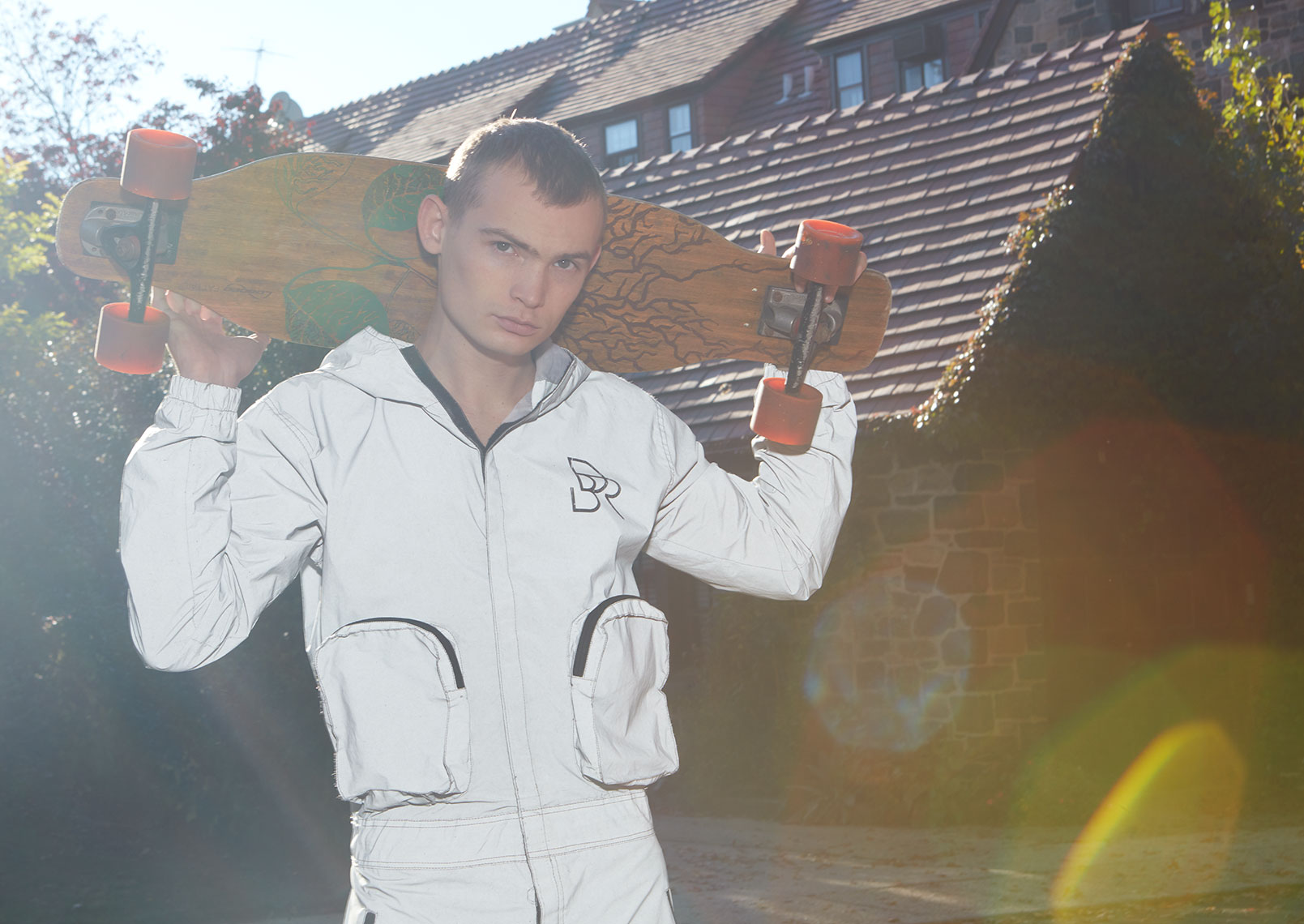
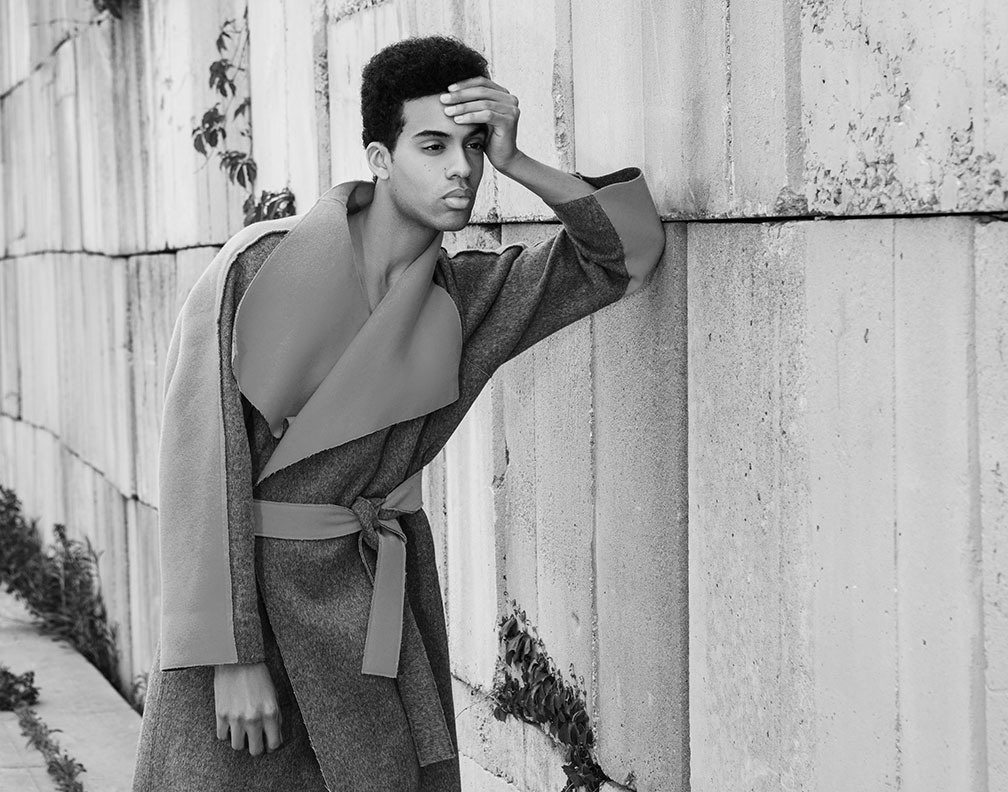
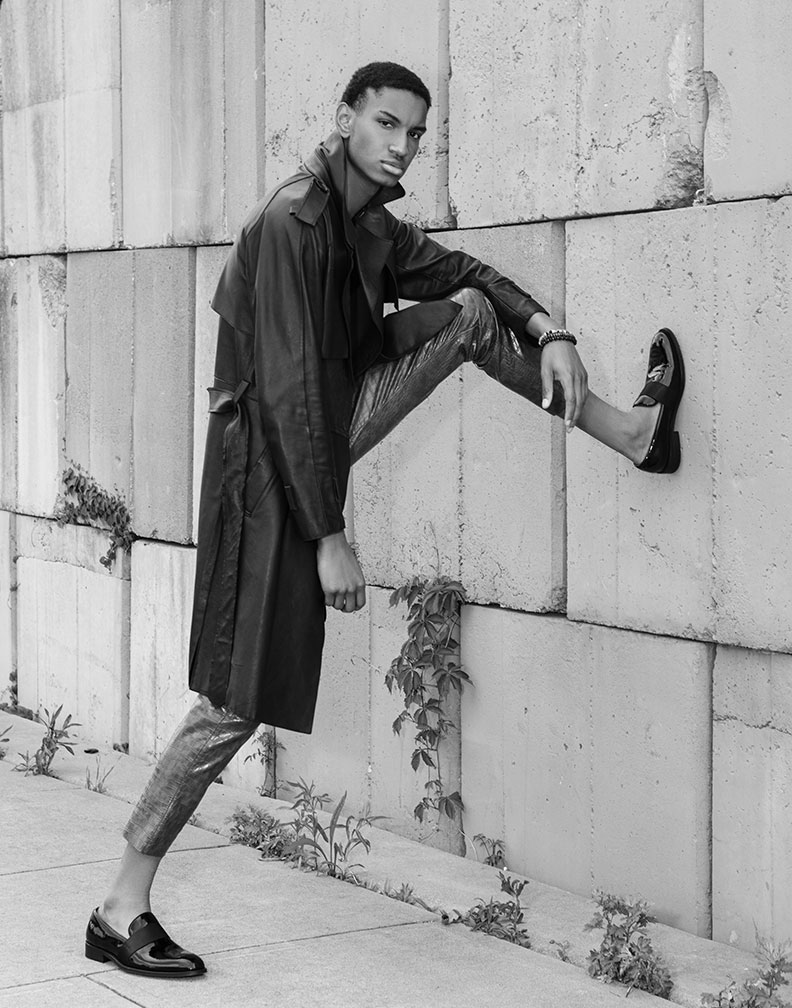
Last fall I connected with Vaughn Stewart, editor in chief of Cool America Magazine. We had a couple of great phone conversations and decided to shoot an editorial together for the winter edition of his magazine. He mentioned the possibility of using Forest Hills Gardens as a location. I took a drive out and we toured around the neighborhood. I fell in love with the area and saw endless possibilities of incredible images. Vaughn hit up a half dozen of the top New York model agencies and we both agreed that Braxton Claudill from One Management New York was perfect for the story. Vaughn tapped Brian Robinson, BDR Styling to create out looks.

Shoot day was a breeze. Although we photographed a couple of looks inside an apartment and on a beautiful balcony, Vaughn felt it was not consistent with the editorial feel of the story. Even though I loved the images, I had to agree. We piled into my car, parked by the local train station, shot two looks on the platform, a third look on the sidewalk, pulled around the corner and shot three looks on a side street. Might be the easiest editorial I shot, and I am in love with the results.

To see the entire shoot you can purchase the winter issue of Cool America or visit my website www.erichason.com

Here are a few teaser images.

Menswear Editorial for Cool America by NYC Fashion Photographer Eric Hason
Standard
editorial, editorial photography, fashion, fashion editorial, fashion magazine, fashion photographer, hair, makeup, model, photographer, styling

New Fashion Winter Fashion Editorial – Ebb and Flow

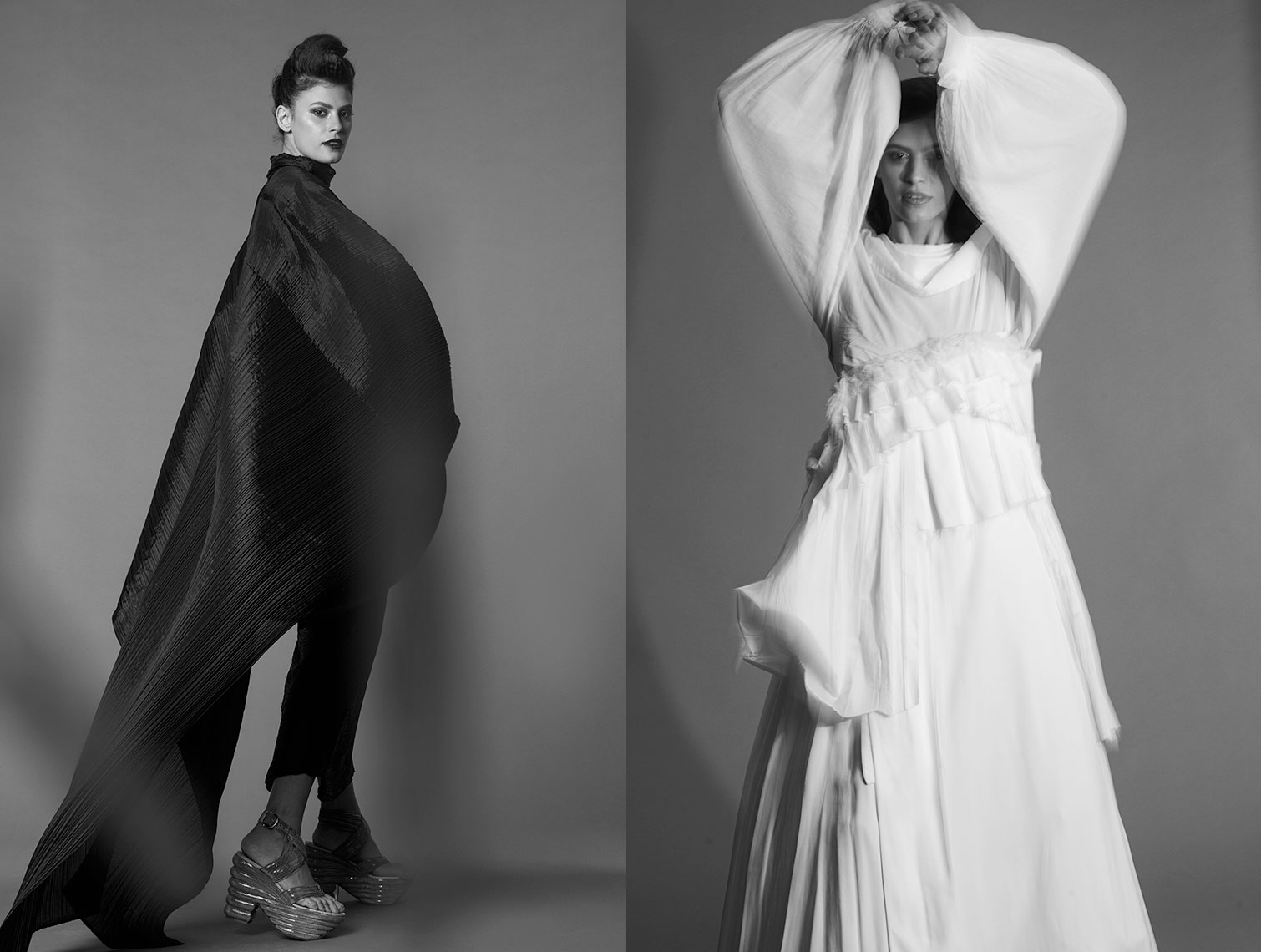
I have been waiting to share this fashion editorial entitled Ebb and Flow that I shot early this Fall. It was just published in Parsian magazine Kodd. If features model Alisar with agency The Management New York(I am happy to see that the agency is using 4 of the photos on her portfolio page). Fashion editor/stylist Erin Bookman dressed Alisar in layered looks from designers Dries van Noten, Off-White, Maison Margiela, Comme Des Garcons, Issey Miyake paired with vintage pieces from her own collection.

We decided to shoot the story in black and white. I incorporated motion and shot through painted glass in order to give a dreamlike feel to the story.

Hair stylist Jason Linkow, ABTP and makeup artist Maria Oviedo completed the team.

You can see the complete story by clicking here: Kodd Magazine

It is also featured on my website www.erichason.com as well as my Instagram account.

Here are a couple of images from the story:

Standard
fashion, fashion photographer

My Photography for NYC Fashion Designer Claudio Cina Now Live on CFDA Website

I was thrilled that emerging fashion designer Claudio Cina asked me to photograph his Spring 22 collection. Claudio and I had collaborated before on an editorial. Our energy and creative vision produced spectacular work. I was excited to bring our vision to his new line. This is the first season that Claudio introduced a complete menswear collection. He also debuted accessories including handbags, jewelry and sick hand painted boots!

Claudio wanted the shoot to have a tropical feel. We were considering a restaurant location but the hours and timing didn’t work. My New York photo studio seemed to be the best option. We mood boarded, sourced props, backdrops, floors, plants. After many phone calls and a meeting Claudio opted to keep it simple and just use a blue backdrop which evokes the Caribbean Sea and tropical skies. I felt it was a good choice. We want to feature his designs and not detract from them.

Cina is a force. The collection includes a cohesive representation of swimwear, beachwear, jackets, couture dresses, tops, bottoms and accessories. His silhouettes, fabric selection, embroidery, hand painting, graphic designs, color palette is beyond. For me the highlight is his hand beaded dresses, color blocked leather biker jacket and those killer boots!

Claudio is very particular about his models. He already had male model Raphael Diogo with The Society Management casted. The female model he wanted to use was not available due to her traveling to Milano for their fashion week. I recommended a half dozen top NYC model agencies. After a bunch of go-sees it was decided to go with Jenaye Noah, also with Society.

The shoot was effortless. The models were perfect for the collection. We started off shooting with Raphael and menswear. He totally understood the vibe of the shoot and brought the clothing to life. The same held true with Jenaye. Besides being gorgeous she is a pleasure to work with and showcased the designs perfectly. I really enjoyed shooting the two models together. Although they just met that day it seemed like they knew each other forever!

I love it when the client has a difficult job selecting final images, as was the case with this shoot. He spent a lot of time narrowing down photos for his final layout. I also love when the client requests minimal retouching. These photos are pretty much out of camera. There was no toning. Some corrections were made with stray hair, unruly fabric, lightening some shadows, but for the most part what you see is what we shot.

We are thrilled that CFDA Runway 360 decided to showcase Claudio’s collection. You can see the images from our shoot by clicking on this link:

CFDA Runway 360 – Claudio Cina Spring 22

To see more of my work please click on these links:

Website

Instagram

Some photos from the shoot!

Standard
beauty, beauty photography, commercial photography, editorial, editorial photography, fashio photography, fashion, fashion editorial, fashion model, fashion stylist, hair, makeup, makeup artist, model, model agency, New York, photography

Location Fashion Photoshoot At My Home In Brooklyn

Creative directory Alex Palomo and I created a stunning editorial for Genlux Magazine. It was our first collaboration. We spent a couple of months planning our next shoot based on his concept Cockatoo Inn. We planned a sexy, film noir, motel feel, inspired by tight sets and limited props to be shot in my New York studio. We put together a moodboard and started recruiting a team: fashion stylist Bex Vanderway, hair stylist Damian Monzillo, and makeup artist J.Patrick. It was our first time working with Bex. I had collaborated with Damian on a killer beauty editorial for Oob Magazine and was looking forward to working together again. J.Patrick had worked with Alex before but it was my first time shooting with him. We contacted Chad Thompson of Communa-K and he agreed to help with casting models for the project. He gave us some amazing options and we selected Monica Ollander of Ford Models New York and Melissa Cuc with Supreme Model Management.

After nailing down the moodboard I purchased some curtains, scavenged some rugs and was preparing to drag some of my Danish Modern furniture into the studio. My wife was not happy about transporting her curated furniture into my studio. Since everybody on the team was fully vaccinated against Covid we decided to shoot the concept in my Park Slope Brownstone. I was really excited by the prospect and after showing Alex what my home offered, he was pretty stoked as well. We spent a Saturday prepping models, moving furniture, shlepping lighting equipment around my home. We had a great time and were very excited with the images we created!

I have included photos in this post but check out my website and Instagram to see more!

Monica Ollander Ford Models NYC by Eric Hason
Melissa Cuc Supreme Model Management by Eric Hason

Melissa Cuc Supreme Model Management by Eric Hason
Monica Ollander Ford Models NYC by Eric Hason
Standard
fashion, fashion model, fashion photographer, fashion photography, location photography, men's fashion, menswear, model, New York, NYC, outerwear, portrait, street style, style, styling

FW/21 Menswear Fashion Photoshoot

A recent shoot with male models from UMODELS New York: Rafael Roque, Gonzalo Calzon and Mohamed Barrie.

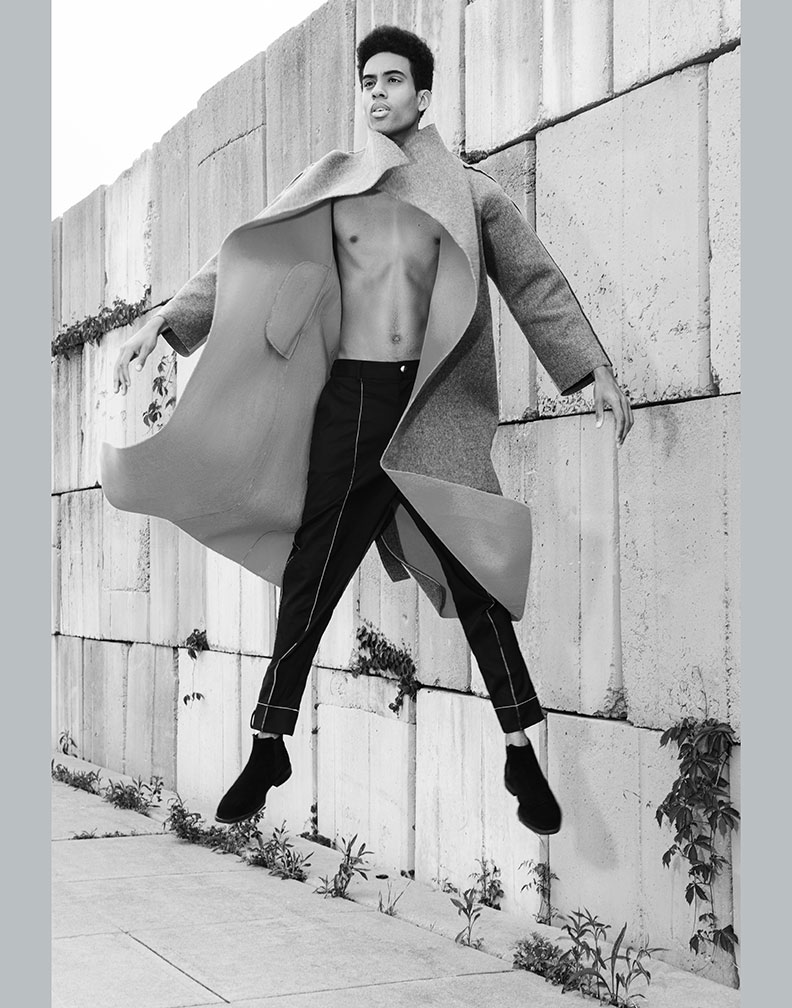
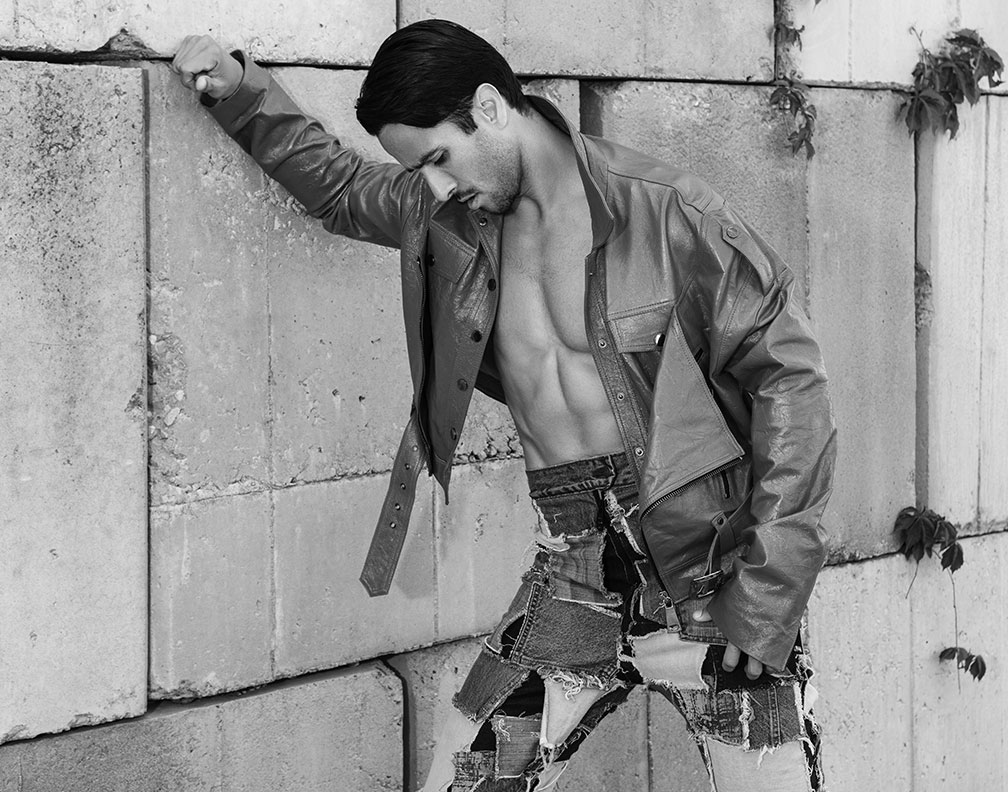
Styled by fashion director Mike Stallings, we shot at a single location in Brooklyn. I love the simplicity of the wall, offering a dynamic backdrop to showcase our killer guys and the street style high fashion.

Below are a few images from the shoot. Check out my instagram to see more of the looks and my website for more fashion and beauty photography!

Standard
Uncategorized

New Fashion Editorial Photographed In My NYC Studio

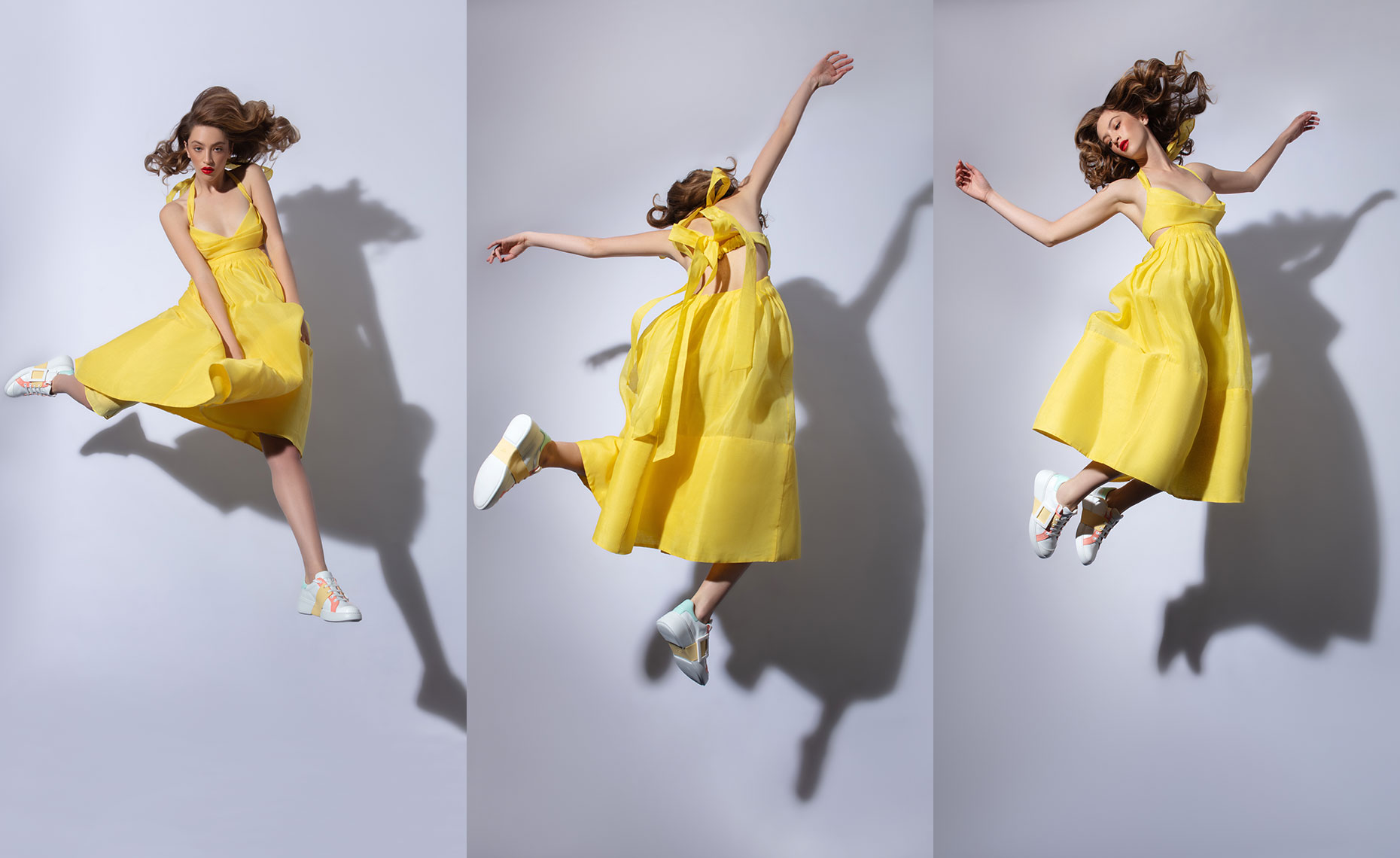
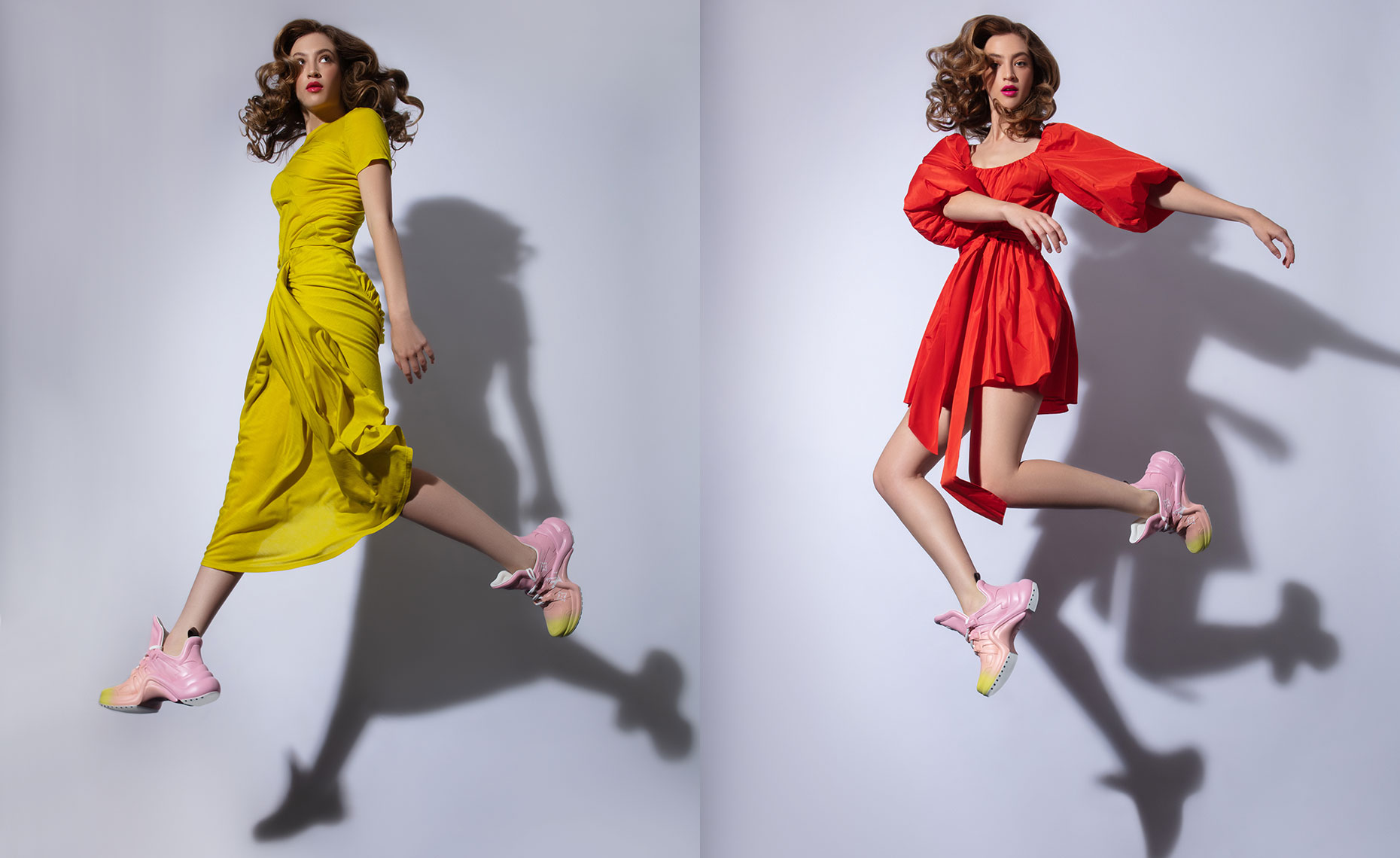
Fashion stylist Holli Kingsbury, represented by Timothy Priano, came to me with the concept of a spring color story with a model on a trampoline on the rooftop of my studio. I was really excited about the idea, but due to schedules we had to shoot the upcoming Friday. We booked my studio and started planning.

Holli and I both agreed we needed a model with a dance background. We couldn’t have just any girl bouncing on a trampoline. She needed to have experience posing and nailing expression midair. Also she needed endurance. I immediately thought of Sophie Olszak. Last July we shot a fur catalog together. She is gorgeous, and a pleasure to work with. I remembered that she danced for the Brooklynettes. The Brooklyn Nets were in the playoffs so I knew she would be in town. I messaged her on Instagram. She was in between agencies and was excited for the shoot.

We booked hair stylist Andrea Wilson and her good friend makeup artist Sandradene Fearon and the team was set!

The morning of the shoot the sky was gray and there was a significant chance of rain. I decided to set up the studio as a backup for the likelihood of a torrential downpour…which occurred.

I used an Elinchrom Fresnel Spot 30 to create a hard light and a strong shadow. The paper was rigged across the ceiling and down the wall so I could shoot low and not have the studio ceiling showing. It was a fun setup!

As soon as Sophie was finished with makeup and hair, dressed in her first look and started jumping on the trampoline I knew we had magic. Immediately Holli whispered in my ear we booked the perfect model.

The shoot went without a hitch. The hardest part of the shoot is choosing images!

I placed the story titled “Airborne” in New York based Spirit and Flesh Magazine. Please click on the magazine or the following links to see all images from the story! Website or my Instagram Account!

Standard
beauty, beauty photography, elite model management, hair, makeup, makeup artist, model, model agency

New Clean Beauty Photography with Model Emma, Elite New York

Very excited to share this new shoot with fresh face model Emma with Elite New York. Emma is visiting NYC for a week to meet with her bookers and prepare for her launch this fall. I am the lucky photographer to be the first to work with her in New York.

Makeup artist/hair stylist Maria Oviedo and I had a great time working with her. We kept the concept clean and want to accentuate her natural beauty. I think we were very successful! The images are stunning!

Please visit my website www.erichason.com and Instagram to see more work!

Standard
beauty, beauty photography, fashion, fashion photographer, model

Beauty Photography with Stunning Model Madison DeSilva, Ford New York

I love this shoot with natural beauty Madison DeSilva from Ford NYC. Madison is a dream to work with, perfect skin, gorgeous features and sweet personality. My friend and frequent collaborator, makeup artist and hair stylist Maria Ailen Oviedo enhanced Madison’s beauty keeping the makeup light and subtle bringing out highlights. We played with her lip color and beautiful, thick, long hair. These images were created in my New York photo studio. I am super excited to share the images we created. Check out my website and Instagram to see more stunning photos!

Standard