
User-generated content has become one of the most valuable forms of visual marketing for modern brands. Consumers are surrounded by polished advertising every day, and increasingly, they respond to content that feels personal, authentic, and relatable.
That doesn’t mean professional photography has become less important.
In fact, the opposite can be true.
A professional photographer can help a brand get significantly more value from its UGC by providing the creative direction, visual consistency, lighting expertise, production experience, and technical quality needed to turn individual pieces of creator content into a cohesive marketing asset.
The key is understanding that professional photography and UGC don’t have to compete with each other. They can work together.
For fashion, beauty, activewear, lifestyle, and consumer brands, the strongest content strategy may combine professionally produced campaign photography with authentic-looking creator content. Each serves a different purpose, and a photographer can help connect the two.
What Is UGC?
UGC stands for user-generated content. Traditionally, it refers to photographs, videos, reviews, testimonials, demonstrations, and social media posts created by customers or independent creators rather than by a brand’s internal marketing department.
A customer might post a photograph wearing a new jacket. A beauty creator might film herself using a skincare product. An athlete might record a short video wearing a new pair of running shoes.
The appeal is authenticity.
UGC often feels less like advertising and more like a recommendation from another person.
That distinction matters because consumers understand that brands are trying to sell something. Content that feels spontaneous can sometimes overcome the psychological resistance people have toward conventional advertising.
But authentic doesn’t necessarily mean effective.
A photograph can be authentic and still have poor lighting. A video can feel genuine but fail to show the product clearly. A creator can be engaging but frame the product awkwardly.
That’s where a professional photographer can add value.
Professional Photography and UGC Serve Different Purposes
A useful way to think about the relationship is that professional photography establishes the brand’s visual foundation while UGC adds personality and relatability.
Professional photography is particularly valuable for:
- Campaign imagery
- Website hero images
- E-commerce product photography
- Retailer submissions
- Lookbooks
- Press materials
- Advertising
- Product launches
- High-resolution print applications
UGC can be particularly effective for:
- TikTok
- Reels
- Stories
- Paid social
- Product demonstrations
- Testimonials
- Behind-the-scenes content
- Creator collaborations
- Everyday lifestyle situations
The mistake is assuming that a brand must choose one or the other.
A sophisticated content strategy can use both.
The professional photographer can help make sure the two visual worlds work together.
1. A Photographer Can Give UGC a Stronger Creative Direction
One of the biggest benefits of working with a professional photographer is creative direction.
Creators know how to communicate with their audiences. Photographers understand visual storytelling.
Combining those skills can produce stronger content.
Instead of simply sending a product to a creator and asking them to “make some content,” a brand can develop a clear creative concept.
What is the story?
Who is the customer?
Where would they use the product?
What should the viewer notice first?
What emotion should the content create?
What visual elements need to remain consistent across the campaign?
A photographer can help answer those questions before the camera comes out.
For a fashion brand, the concept might involve getting dressed for a night out.
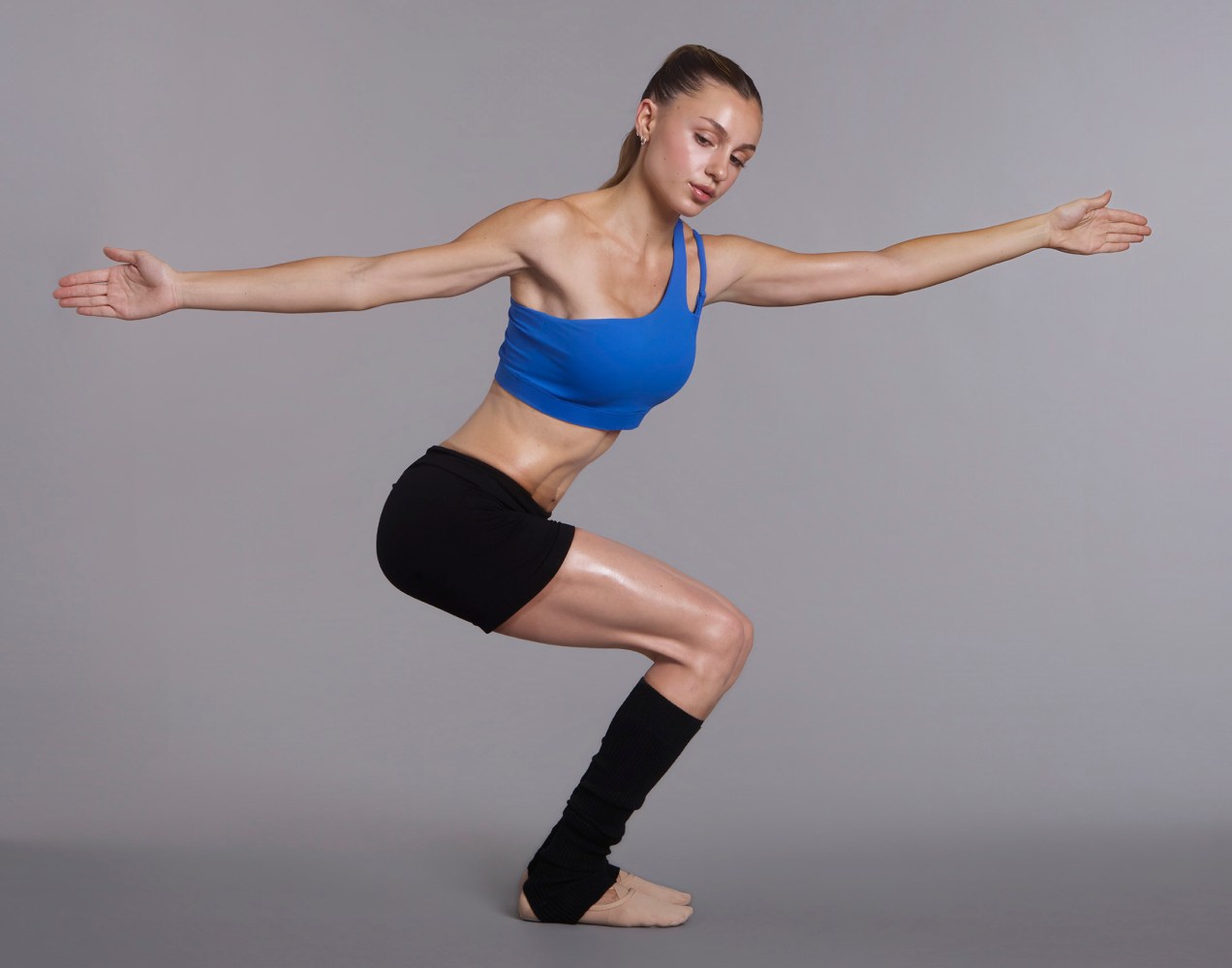
For an activewear brand, it might involve moving through a workout rather than simply posing in gym clothes.
For a beauty brand, it could involve incorporating the product into a realistic morning routine.
The creator remains authentic, but the content now has a purpose.
2. Professional Lighting Can Make Authentic Content More Effective
Lighting is one of the areas where professional photographers can have an enormous impact without making content look overly produced.
UGC-style content often benefits from natural-looking light.
That doesn’t necessarily mean relying entirely on available daylight.
A photographer can use professional lighting equipment to recreate the qualities of natural light while maintaining control over exposure, skin tone, product color, and consistency.
For example, a large soft source can simulate window light.
A reflector can provide subtle fill.
A small light can be used to separate the subject from the background.
The result can still feel casual and spontaneous while looking considerably better than an uncontrolled snapshot.
This is especially important for fashion and beauty brands.
Clothing needs to retain accurate color and shape. Beauty products need to look appealing. Skin needs to look natural. Product details need to remain visible.
Professional lighting helps accomplish all of those things without necessarily making the content look like a traditional advertising campaign.
3. Photographers Can Help Creators Look Natural on Camera
Being photogenic and being comfortable on camera are not necessarily the same thing.
Even experienced creators can become stiff when they’re placed in an unfamiliar production environment.
A professional photographer knows how to direct people without making them feel overly directed.
Instead of giving a model or creator a rigid series of poses, the photographer can give them actions.
Walk toward the camera.
Put on the jacket.
Adjust the sleeve.
Pick up the product.
Look in the mirror.
Talk about how you use it.
Move through the space.
These actions produce natural expressions and body language.
The goal isn’t to eliminate direction.
It’s to make the direction invisible.
The best UGC-style content often looks like the creator simply happened to be doing something interesting when the camera captured it.
A professional photographer can create that appearance deliberately.
4. A Photographer Can Improve Product Visibility
Authenticity is valuable, but the product still needs to sell.
This is an important distinction.
A beautiful lifestyle photograph isn’t particularly useful if the viewer can’t tell what the product is.
Professional photographers understand how to balance storytelling with product visibility.
For fashion, that might mean choosing a pose that shows the silhouette of a garment.
For jewelry, it might mean capturing both the overall styling and a detailed close-up.
For beauty, it might mean showing the product in use while also creating a clear shot of the packaging.
For activewear, it might mean photographing movement that demonstrates how the garment performs.
UGC should feel natural, but the brand’s product shouldn’t disappear into the story.
The photographer can make sure both objectives are achieved.
5. Professional Photography Can Make UGC More Consistent
One of the challenges brands face when working with multiple creators is inconsistency.
One creator may shoot in a bright apartment.
Another may work outdoors.
Another may use a dark bedroom.
One might use warm tones while another uses cool tones.
That diversity can be part of the appeal of UGC, but too much inconsistency can weaken a brand’s visual identity.
A photographer can establish a visual framework.
That framework might include:
- Lighting direction
- Color palette
- Locations
- Styling
- Composition
- Product positioning
- Backgrounds
- Wardrobe
- Camera angles
- Image formats
Creators can then bring their individual personalities into that framework.
The result is content that feels diverse without feeling disconnected.
6. Photographers Can Create More Content During One Production
Another major advantage of professional production is efficiency.
A well-planned shoot can generate an enormous amount of content.
A single setup might produce:
- Hero photographs
- Vertical social images
- Product detail photographs
- Lifestyle photographs
- Behind-the-scenes images
- Short video clips
- Creator testimonials
- Product demonstrations
- Movement sequences
- Images for advertising
This changes the economics of a content shoot.
Instead of producing one photograph for one campaign, the photographer can help the brand create a library of assets that can be used over weeks or months.
The key is planning for content volume before the shoot.
If the brand knows it needs Instagram posts, Stories, Reels, paid advertisements, website content, and email imagery, the photographer can design the production accordingly.
7. Shoot for Multiple Platforms
Content should be created with its destination in mind.
A photograph designed for a website isn’t necessarily the best photograph for TikTok or Instagram.
UGC is particularly powerful on vertical platforms, so photographers should consider vertical composition from the beginning.
During a shoot, it can be useful to create several versions of the same concept.
A vertical image might be used for an Instagram post.
A slightly wider composition could work for a website banner.
A close-up could become an advertisement.
A short video clip could become a Reel.
This approach allows the brand to get more value from the same creative concept.
Rather than asking, “What photograph should we make?” the photographer can ask, “What content package can we create from this setup?”
8. Professional Retouching Can Preserve Authenticity
Retouching is another area where professional photographers can help brands find the right balance.
UGC-style content generally shouldn’t look excessively retouched.
Heavy skin smoothing, artificial body reshaping, or excessive cleanup can undermine the authenticity that makes UGC attractive in the first place.
But professional doesn’t mean unretouched.
Color correction, exposure adjustments, distracting-object removal, subtle skin cleanup, and product corrections can improve the content while maintaining its natural appearance.
The goal is not perfection.
It’s credibility.
For fashion and beauty brands, this can be particularly important. Consumers want to see products presented attractively, but they also increasingly value realistic representation.
A photographer experienced in natural retouching can help brands achieve both.
9. Photographers Can Help Brands Create Better Paid Social Content
UGC isn’t limited to organic social media.
Brands increasingly use creator-style content in paid advertising.
This creates another opportunity for professional photographers.
Paid advertisements have to compete for attention just like organic content. A professionally planned UGC-style image or video can combine the immediate accessibility of creator content with the visual clarity of commercial photography.
The photographer can create multiple variations for testing.
Different openings.
Different crops.
Different expressions.
Different product placements.
Different backgrounds.
Different calls to action.
The brand can then determine which creative performs best.
Professional photography doesn’t replace performance marketing.
It gives the marketing team more variables to work with.
10. A Photographer Can Help Build a Content Library
One of the most valuable things a photographer can deliver is not a single image but a reusable content library.
Imagine an activewear brand commissioning a shoot.
Instead of delivering ten final photographs, the production could create a broad collection of assets:
The athlete warming up.
Tying her shoes.
Putting on a jacket.
Stretching.
Running.
Drinking water.
Checking her phone.
Walking into the gym.
Close-ups of the fabric.
Details of the waistband.
Full-body photographs.
Portraits.
Vertical video.
Short movement clips.
Suddenly, the brand has dozens of potential pieces of content.
Some can be used immediately.
Others can be saved for future campaigns.
This approach gives the brand considerably more value from the production budget.
11. Photographers Can Bridge UGC and Campaign Photography
Perhaps the most interesting opportunity is creating a visual bridge between traditional campaign photography and UGC.
A brand doesn’t necessarily want its Instagram account to look completely disconnected from its website.
At the same time, it doesn’t want every social post to look like a traditional advertising campaign.
A photographer can create imagery that occupies the space between those two extremes.
The lighting can remain sophisticated.
The styling can remain intentional.
The composition can remain strong.
But the environment, movement, framing, and expressions can feel spontaneous.
This gives brands flexibility.
A polished campaign image can establish aspiration.
A UGC-style image can establish relatability.
Used together, they can tell a much more complete brand story.
12. Authenticity Still Requires Strategy
Perhaps the biggest misconception about UGC is that authenticity happens automatically.
It doesn’t.
Authenticity can be encouraged, directed, and supported.
The creator needs room to behave naturally.
But the photographer still needs to understand the brand’s objectives.
The product still needs to be visible.
The image still needs to be technically strong.
The content still needs to work in its intended format.
The story still needs to communicate something.
The most effective UGC-style content is therefore not random.
It is strategically casual.
That distinction is extremely important.
The Photographer’s Role Is Changing
The rise of UGC doesn’t mean brands no longer need photographers.
It means photographers have an opportunity to become more valuable.
The traditional role of the photographer was primarily focused on producing finished photographs.
The modern commercial photographer can contribute much earlier in the process.
They can help develop the concept.
They can advise on casting.
They can select locations.
They can direct creators.
They can determine lighting.
They can plan content variations.
They can produce both stills and motion.
They can help organize a content library.
And they can ensure that the final work feels authentic while remaining visually consistent with the brand.
That is a much broader role than simply pressing the shutter.
How Brands Can Get More Value From Their UGC Investment
The best approach is not to think of UGC as a replacement for professional photography.
Think of it as an additional layer of a brand’s visual strategy.
Creators bring authenticity and audience connection.
Professional photographers bring technical expertise and visual storytelling.
Brands bring the product and the identity.
When those three elements work together, the result can be much stronger than any one of them working independently.
A professional photographer can help a brand transform UGC from a collection of disconnected social posts into a cohesive content strategy.
The content can feel natural without looking careless.
It can feel spontaneous without being directionless.
It can feel personal while remaining unmistakably on-brand.
And it can be produced in enough variety to serve social media, advertising, websites, email marketing, and future campaigns.
The Future of Brand Content Is Both Professional and Authentic
The distinction between professional photography and UGC is becoming less rigid.
Consumers don’t necessarily want brands to choose between polished and authentic.
They want brands to communicate in ways that feel appropriate to the platform and believable within the context.
That creates an opportunity for photographers.
Professional expertise can be used to create content that doesn’t look overly professional.
The lighting can be controlled without looking artificial.
The composition can be intentional without looking staged.
The model can be directed without looking posed.
The product can be highlighted without looking like an advertisement.
And the final content can retain the personality that makes UGC so effective.
For fashion, beauty, activewear, and lifestyle brands, this is an especially powerful combination.
The professional photographer of the future isn’t simply the person who creates the perfect campaign photograph.
They are increasingly the person who understands how a brand should look everywhere its customers encounter it.
That includes the polished campaign, the product page, the Instagram feed, the TikTok video, the paid advertisement, and the creator’s phone.
When professional photography and UGC are planned together, brands can get more content, more consistency, more creative flexibility, and ultimately more value from every production.
The goal isn’t to make UGC look like traditional advertising.
It’s to bring professional expertise to the kind of authentic content consumers already want to see.


